The short answer: Legally, yes — there is no law in the United States that requires yoga teachers to be certified. Yoga is an unregulated industry, and anyone can technically teach a yoga class. But whether you should teach without certification is a different question entirely.
Here’s the truth: most studios, gyms, and retreat centers won’t hire you without at least a 200-hour certification. Insurance providers typically require it too. And your students — the people trusting you with their bodies — deserve a teacher who has been properly trained in anatomy, alignment, sequencing, and safety.
So while there’s no legal barrier, getting certified is really about three things: credibility, safety, and confidence.
Why Certification Matters (Even Though It’s Not Required)
1. Studios and Gyms Require It
The vast majority of yoga studios, fitness centers, and wellness spaces require a 200-hour Yoga Alliance certification (RYT 200) as a minimum to teach. Without it, your job options are extremely limited — essentially you’d be restricted to teaching friends, hosting informal community classes, or teaching on your own platform.
2. Insurance Requires It
Yoga teacher insurance providers typically require proof of certification before they’ll cover you. Teaching without insurance is risky — if a student gets injured, you could be personally liable for medical bills and legal fees.
3. Your Students Deserve Trained Instruction
A good yoga teacher training teaches you things you simply can’t learn from practicing alone — like how to spot contraindications, modify poses for injuries, avoid giving dangerous cues, and hold space for emotional responses. These skills keep your students safe.
4. Confidence to Actually Teach
Even if you’ve practiced yoga for 20 years, teaching is a completely different skill. A certification program gives you the practice teaching hours, feedback, and structure to walk into a room (or onto a screen) and lead with confidence. Most of my 200-hour YTT graduates say this was the most transformative part.
What About Teaching Yoga Online Without Certification?
Technically, you can post yoga videos on YouTube or teach on Zoom without any credential. Nobody is checking. But if you want to build a real business — charge for classes, get hired by platforms, or attract serious students — certification is the baseline expectation. It signals that you’ve invested in your craft.
How to Get Certified
The standard path is a 200-hour yoga teacher training registered with Yoga Alliance. Programs are available online, in-person, or hybrid. Most take 3-6 months and cost between $1,200 and $5,000 depending on the format.
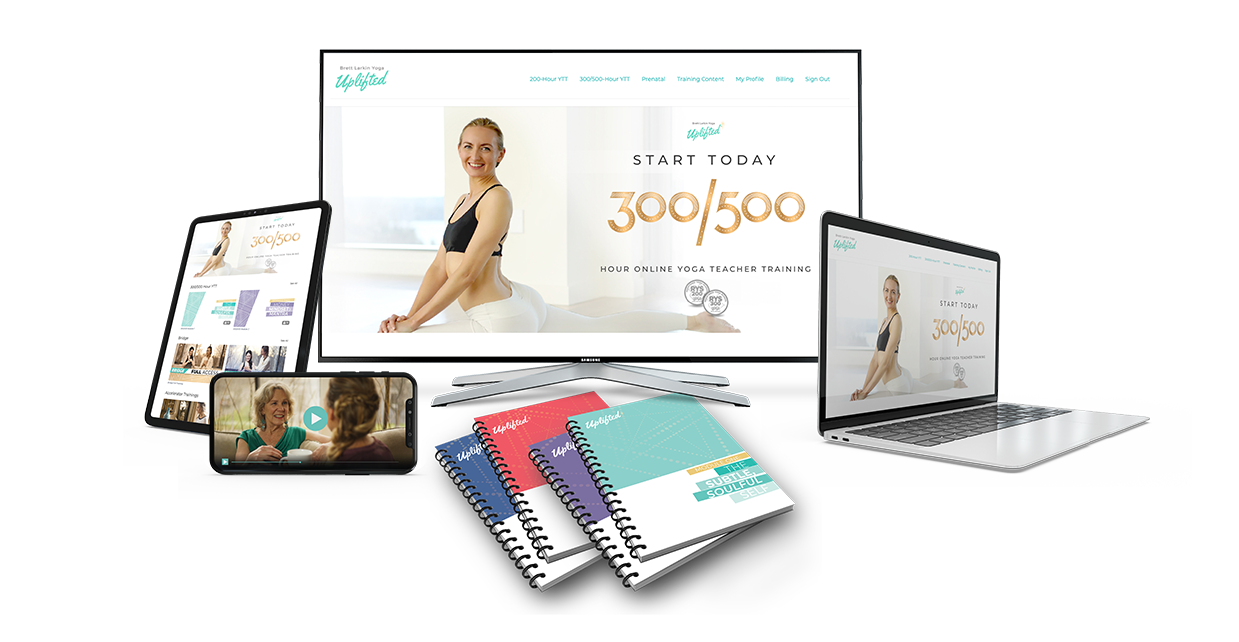
After your 200-hour, you can pursue advanced certifications (300-hour, 500-hour) or specializations like Kundalini or somatic yoga.
Bottom line: You don’t need a certificate to teach yoga. But you probably want one — for your students, your career, and your own peace of mind. 🙏
Sneak Peak into My 300-Hour YTT - FREE Videos, Info Session, Bonuses!